

Ramadan is one of the most sacred and spiritually uplifting months in the Islamic calendar. For Muslims around the world, it is not just about fasting from food and drink; it is a time of deep reflection, self-discipline, charity, and connection with Allah. This holy month brings families together, strengthens communities, and encourages individuals to grow spiritually and morally.
Ramadan is observed in the ninth month of the Islamic lunar calendar and lasts for 29 or 30 days, depending on the sighting of the moon. Throughout this month, Muslims fast from dawn until sunset, dedicating their time to prayer, charity, and personal improvement.
1:- The Meaning and Importance of Ramadan:
The word “Ramadan” comes from the Arabic root word ramida, meaning scorching heat. Spiritually, it symbolizes burning away sins through good deeds, prayers, and devotion. Ramadan is considered the month in which the Quran was revealed to Prophet Muhammad (PBUH) as guidance for humanity.
Fasting during Ramadan is one of the Five Pillars of Islam, making it a fundamental act of worship. It teaches patience, humility, and gratitude. By abstaining from food and drink, Muslims are reminded of those who are less fortunate and develop a stronger sense of compassion.
Ramadan is not only about physical fasting but also about controlling negative thoughts, avoiding gossip, and improving character. It is a complete spiritual reset.
2:- The Daily Routine During Ramadan:
A typical day in Ramadan begins before dawn with a pre-dawn meal called Suhoor. This meal is important as it provides energy for the long day ahead. After Suhoor, Muslims perform the Fajr prayer and begin their fast.
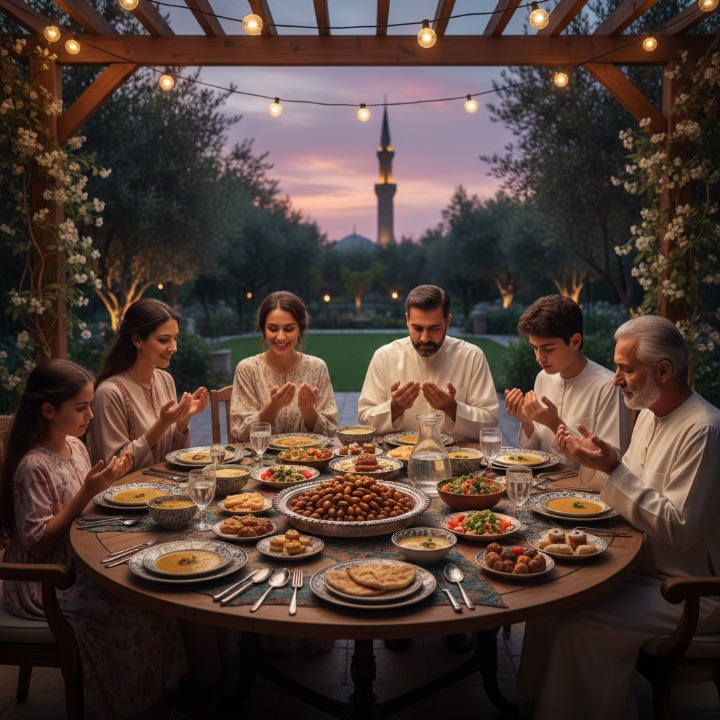
Throughout the day, they continue their daily responsibilities—work, school, or household tasks—while maintaining patience and mindfulness. At sunset, the fast is broken with a meal known as Iftar, traditionally starting with dates and water, following the Sunnah of Prophet Muhammad (PBUH).
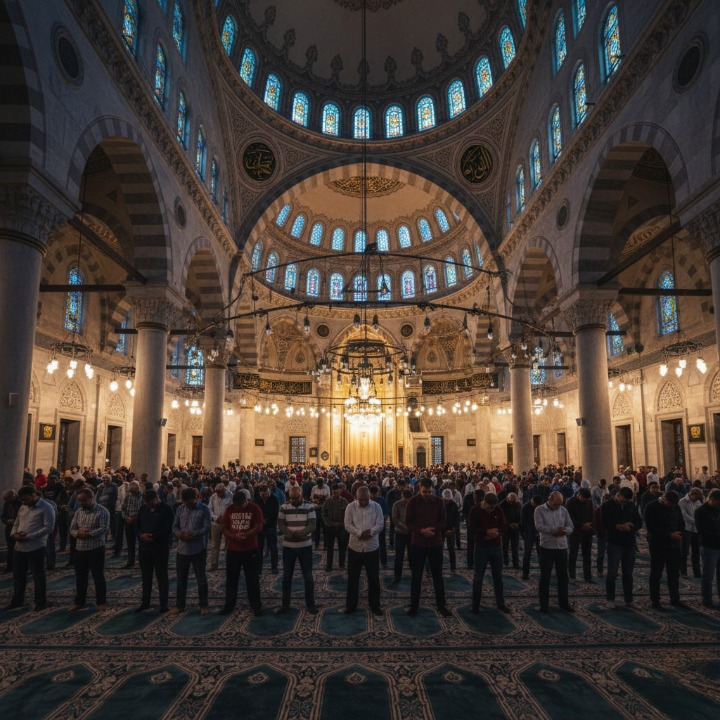
Evenings in Ramadan are filled with special prayers called Taraweeh, performed in mosques or at home. These prayers create a peaceful atmosphere and strengthen the sense of community.
3:- The Spirit of Charity and Giving:
One of the most beautiful aspects of Ramadan is its emphasis on charity. Muslims are encouraged to give Zakat (obligatory charity) and Sadaqah (voluntary charity) during this month. Helping the poor and feeding the hungry are highly rewarded acts.
Community kitchens, food drives, and donation campaigns become common during Ramadan. Many people share Iftar meals with neighbors and those in need. This generosity strengthens social bonds and spreads kindness.
The act of giving during Ramadan teaches that true wealth lies not in possessions, but in compassion and generosity.
4:- Laylat al-Qadr: The Night of Power:
Among the last ten nights of Ramadan lies Laylat al-Qadr, known as the Night of Power. It is described in the Quran as “better than a thousand months.” Muslims believe that prayers and good deeds performed on this night carry immense rewards.
Because the exact date is unknown, many people increase their worship during the final ten nights. Mosques remain filled with worshippers engaged in prayer, recitation of the Quran, and supplication.
Laylat al-Qadr is a night of hope, forgiveness, and spiritual elevation. It reminds believers that Allah’s mercy is vast and always accessible.
5:- The Celebration of Eid al-Fitr:
At the end of Ramadan comes the joyous celebration of Eid al-Fitr. After a month of fasting and devotion, Muslims gather with family and friends to celebrate their spiritual achievement.
The day begins with a special Eid prayer performed in congregation. People wear new or clean clothes, exchange gifts, and enjoy festive meals. It is also mandatory to give Zakat al-Fitr, a charity given before Eid prayer to ensure that everyone can celebrate.
Eid is not only a celebration but also a reminder to carry forward the lessons learned during Ramadan—patience, kindness, gratitude, and faith.
6:- Personal Growth and Reflection:
Ramadan offers a unique opportunity for self-improvement. Many people use this month to quit bad habits, build discipline, and strengthen their relationship with Allah. The structured routine of fasting, prayer, and reflection creates a powerful environment for positive change.
Beyond religious practice, Ramadan also encourages emotional and mental clarity. Slowing down from daily distractions allows individuals to reflect on their goals and values.
Even after Ramadan ends, its lessons remain. The habits built during this sacred month can shape a person’s character for the rest of the year.
7:- Conclusion:
Ramadan is more than a month of fasting—it is a journey of faith, discipline, generosity, and transformation. It teaches gratitude for everyday blessings and compassion for those in need. Through prayer, charity, and reflection, Muslims strive to become better individuals and strengthen their connection with Allah.
As the crescent moon marks both the beginning and the end of this sacred month, Ramadan leaves behind a renewed sense of purpose and spiritual growth. It reminds us that true success lies not in material wealth, but in faith, kindness, and good character.
Opinion – PakistanTrust.pk:
At PakistanTrust.pk, we believe Ramadan is more than a religious obligation—it is a powerful reminder of unity, compassion, and accountability in society. In today’s fast-paced world, where material success often takes priority, Ramadan brings us back to our core values: patience, generosity, and spiritual awareness.
We strongly feel that the true spirit of Ramadan lies not only in fasting but in transforming behavior. If individuals carry forward the lessons of honesty, empathy, and self-discipline beyond this month, it can positively impact families, communities, and the nation as a whole. Ramadan is an opportunity for collective moral growth, and its message remains relevant far beyond thirty days.