
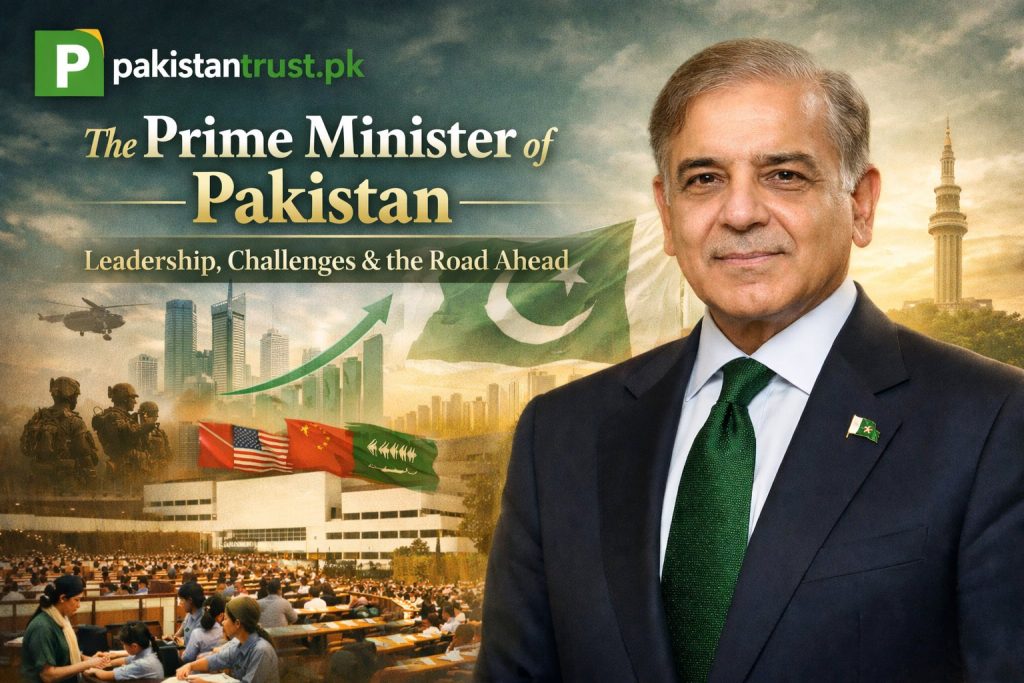
The Prime Minister of Pakistan holds one of the most powerful and demanding positions in the country. As the head of government, the Prime Minister is responsible for shaping national policies, managing the economy, ensuring security, and representing Pakistan on the global stage. In a country with a complex political history and diverse population, the role requires strong leadership, vision, and the ability to make tough decisions.
In recent years, Pakistan’s political landscape has experienced significant changes. The leadership of the Prime Minister continues to play a crucial role in guiding the country through economic reforms, foreign relations, and internal development challenges.
1:- Constitutional Role of the Prime Minister:
According to the Constitution of Pakistan, the Prime Minister is the chief executive of the country. While the President serves as the head of state, executive authority rests with the Prime Minister and the federal cabinet.
The Prime Minister:
- Leads the federal government
- Chairs cabinet meetings
- Oversees policy implementation
- Represents Pakistan internationally
- Advises the President on important matters
The Prime Minister is elected by members of the National Assembly. This parliamentary system ensures that the Prime Minister remains accountable to elected representatives and, ultimately, to the people of Pakistan.

2:- Current Prime Minister of Pakistan:
As of 2024, the Prime Minister of Pakistan is Shehbaz Sharif. He has previously served as the Chief Minister of Punjab and is known for his administrative experience and development-focused approach.
During his tenure, the government has focused on stabilizing the economy, improving relations with international partners, and addressing inflation. Economic reforms and negotiations with global financial institutions have remained key priorities.
Leadership at this level often involves balancing political pressures, economic constraints, and public expectations. The Prime Minister’s decisions directly impact millions of citizens across the country.

3:- Economic Challenges and Reforms:
Pakistan’s economy has faced multiple challenges, including inflation, currency devaluation, and rising debt. The Prime Minister plays a central role in introducing reforms aimed at stabilizing the financial system.
Key economic priorities include:
- Strengthening foreign exchange reserves
- Attracting foreign investment
- Supporting local industries
- Expanding export markets
- Managing inflation
Negotiations with institutions like the International Monetary Fund (IMF) have been critical in maintaining economic stability. However, such agreements often require difficult decisions, including subsidy reforms and taxation adjustments.
The government also aims to promote digital transformation, energy sector reforms, and infrastructure development to boost long-term economic growth.

4:- Foreign Policy and International Relations:
Foreign policy remains one of the most important responsibilities of the Prime Minister. Pakistan maintains strategic relations with countries such as China, United States, and Saudi Arabia.
Strong diplomatic ties are essential for trade, defense cooperation, and regional stability. The Prime Minister frequently engages in international conferences, bilateral meetings, and global summits to strengthen Pakistan’s position worldwide.
Economic diplomacy has become increasingly important. Encouraging foreign investment and improving trade agreements help Pakistan strengthen its economic foundation.

5:- Governance and Public Welfare:
Beyond economics and foreign policy, the Prime Minister is responsible for ensuring public welfare. This includes initiatives in:
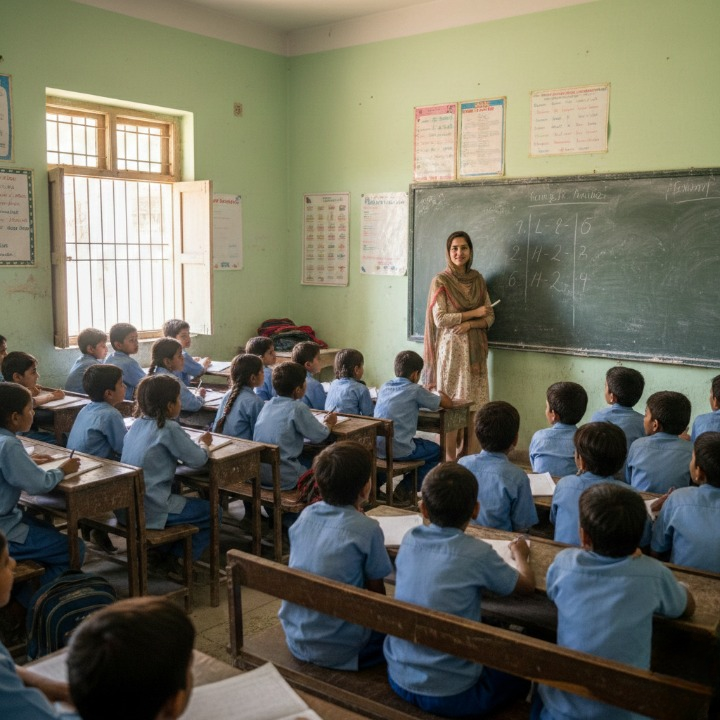
- Education reforms
- Healthcare improvement
- Poverty reduction programs
- Infrastructure development
- Energy sector management
Government programs often focus on providing relief to low-income families, improving rural development, and increasing job opportunities for youth.
Pakistan’s growing population presents both opportunities and challenges. Creating employment and improving social services remain central goals of the Prime Minister’s administration.
6:- Political Landscape and Opposition:
Pakistan’s political environment is dynamic and often competitive. Major political parties, including Pakistan Muslim League (N) and Pakistan Tehreek-e-Insaf, play influential roles in shaping national debates.
The Prime Minister must work within parliament while managing opposition criticism and coalition politics. Political stability is essential for consistent policymaking and long-term development.
Constructive opposition strengthens democracy by ensuring accountability and transparency in governance.

7:- The Road Ahead for Pakistan:
Looking forward, the Prime Minister faces both challenges and opportunities. Pakistan’s youth population offers tremendous potential for innovation, entrepreneurship, and digital growth. Investments in technology, education, and renewable energy can shape a more stable and prosperous future.
However, sustainable development requires political unity, economic discipline, and transparent governance. Public trust plays a vital role in strengthening democratic institutions.
The future of Pakistan depends not only on leadership at the top but also on collective efforts from citizens, businesses, and institutions. With effective policies and long-term planning, the Prime Minister can guide the country toward economic stability and social progress.
Conclusion:
The Prime Minister of Pakistan carries immense responsibility in leading a nation of over 240 million people. From managing economic challenges to strengthening foreign relations and improving public welfare, the role demands dedication, resilience, and strategic vision.
As Pakistan continues to navigate global and domestic challenges, strong and balanced leadership remains essential. The direction taken today will shape the nation’s future for generations to come.
Opinion: Leadership at a Crucial Turning Point by Pakistantrust.pk,
In our opinion, Pakistan stands at a decisive moment in its political and economic journey. The Prime Minister’s leadership is being tested by rising public expectations, economic pressures, and global uncertainties. Strong governance today requires transparency, long-term planning, and unity across political lines. Beyond policies, what matters most is public trust and consistent implementation. If reforms are pursued with sincerity and national interest at heart, Pakistan has the potential to emerge stronger and more stable. The coming years will define whether leadership can transform challenges into lasting opportunities for the nation.