
1:- Introduction:
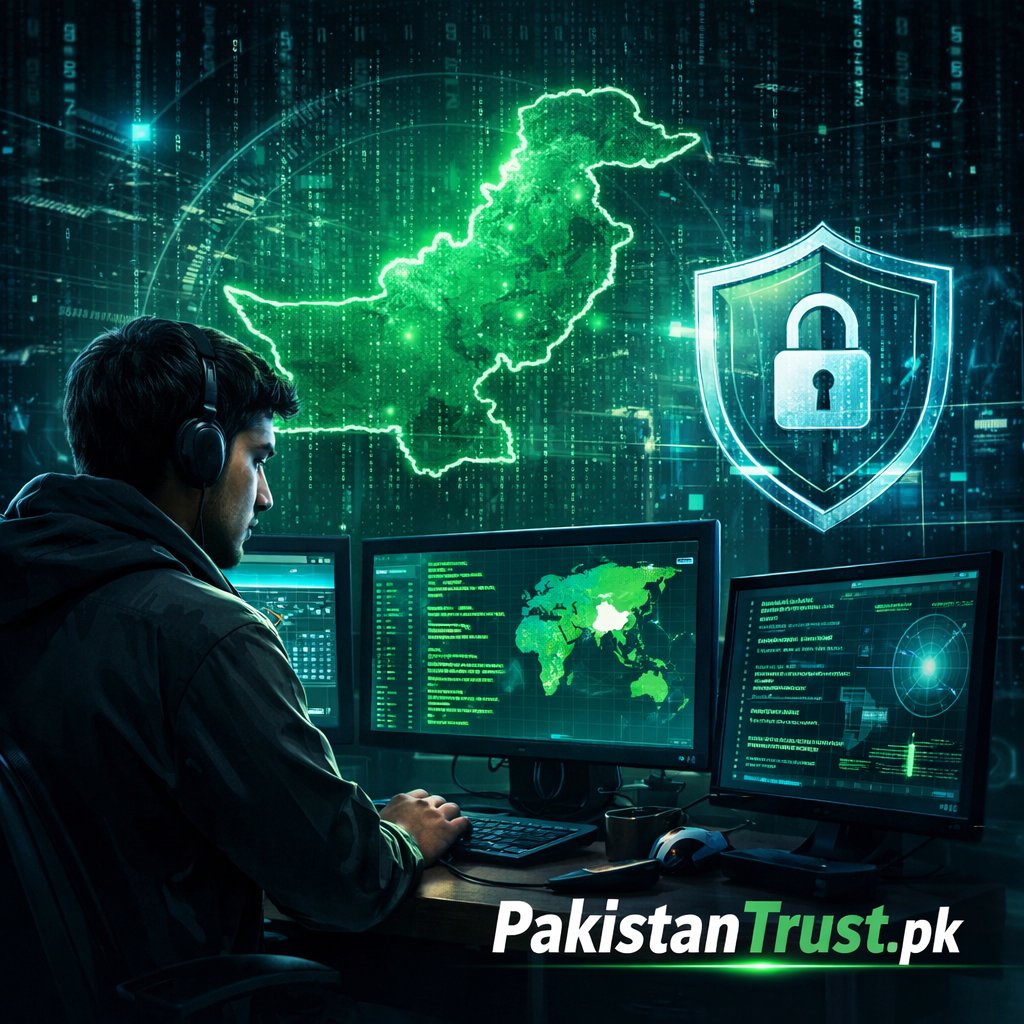
In today’s digital world, hacking is no longer just something we see in movies. It has become a serious topic in global politics, cybersecurity, business, and national defense. Pakistan, like many countries, has seen a rise in cybersecurity experts, ethical hackers, and unfortunately, cybercriminal activities as well.
When people hear the term “Pakistan hackers,” different ideas come to mind. Some think about cyberattacks, some think about patriotic hacker groups, and others think about talented ethical hackers working to protect systems. The reality is more complex and much more interesting.
In this article, we will explore the world of hacking in Pakistan, the difference between ethical and illegal hacking, famous cyber incidents, the growth of cybersecurity education, and the future of Pakistan in the digital security world.Understanding Hacking: Good vs Bad
2:- Understanding Hacking: Good vs Bad:
Before talking about Pakistan specifically, it is important to understand what hacking really means.
Hacking simply refers to finding ways to access computer systems or networks. It can be done for good or bad purposes.
There are three main types:
- White Hat Hackers (Ethical Hackers) – They work legally to protect systems.
- Black Hat Hackers – They break into systems illegally for harm or profit.
- Gray Hat Hackers – They operate somewhere in between.
In Pakistan, just like in the United States, India, or China, all three types exist. However, the government and tech community are focusing more on encouraging ethical hacking and cybersecurity training.
3:- The Rise of Cybersecurity in Pakistan:
Over the past decade, Pakistan has seen rapid growth in internet usage, freelancing, and IT exports. Cities like:
- Lahore
- Karachi
- Islamabad
have become hubs for IT companies and software houses.
With digital growth comes digital risk. Banks, government websites, telecom companies, and e-commerce platforms all require strong cybersecurity systems.
To address this, Pakistan established institutions like the National Response Centre for Cyber Crime (NR3C), which works under the Federal Investigation Agency (FIA). Their job is to investigate cybercrimes and protect citizens from online fraud.

4:- Famous Hacker Groups Linked to Pakistan:
Over the years, some hacker groups have claimed to represent Pakistan in cyber conflicts. These groups are often involved in online disputes during political tensions.
One of the most commonly mentioned names in media reports is “Pakistan Cyber Army.” However, it is important to note that such groups are usually not officially connected to the government. Many operate independently.
During times of political tension between Pakistan and neighboring countries, websites have sometimes been defaced or temporarily disrupted. These digital conflicts often reflect offline political disagreements.
However, cybersecurity experts warn that such actions can damage a country’s reputation and lead to stricter international monitoring.
5:- Ethical Hackers: Pakistan’s Hidden Digital Heroes:
While negative news often gets more attention, Pakistan has a large number of talented ethical hackers who work with international companies.
Many Pakistani freelancers work on platforms like:
- Fiverr
- Upwork
They provide services such as:
- Website penetration testing
- Security audits
- Bug bounty hunting
- Network security assessments
Some Pakistani cybersecurity experts have even been recognized by global tech companies like:
- Microsoft
through bug bounty programs. These programs reward ethical hackers for responsibly reporting security weaknesses.
This shows that Pakistan is not just associated with hacking in a negative way, but also as a source of skilled cybersecurity professionals.

6:- Cybercrime Challenges in Pakistan:
Like many developing countries, Pakistan faces serious cybercrime issues, including:
- Online banking fraud
- Identity theft
- Social media hacking
- Scams and phishing
The increase in smartphone usage has made many new users vulnerable to online fraud. Lack of digital awareness is one of the biggest challenges.
The government introduced cyber laws under the Prevention of Electronic Crimes Act (PECA) to regulate online activities. Law enforcement agencies now actively track cybercriminal networks.
However, experts believe more public awareness campaigns are needed, especially in rural areas.
7:- Cyber Warfare and National Security:
Cybersecurity is now part of national defense strategies worldwide. Countries invest billions in protecting digital infrastructure.
Pakistan, like other nations, understands that cyber warfare is a modern reality. Digital attacks can target:
- Power grids
- Communication systems
- Financial institutions
- Government databases
To protect critical infrastructure, cybersecurity training programs are being expanded in universities and military institutions.
Although much of this work remains confidential, it is clear that digital defense is becoming as important as physical defense.
Education and Cybersecurity Training
Pakistan’s universities are increasingly offering cybersecurity and ethical hacking courses. Institutions in major cities are focusing on IT certifications such as:
- Certified Ethical Hacker (CEH)
- Cybersecurity diplomas
- Network security certifications
Young students are highly interested in learning coding and security skills. With Pakistan being one of the youngest countries in the world by population, this creates huge potential for growth in the cybersecurity sector.
If guided properly, this talent can turn Pakistan into a regional leader in digital security services.

8:- The Role of Freelancing and IT Exports:
Pakistan is one of the top freelancing countries in the world. Many cybersecurity experts work remotely for international clients.
IT exports have steadily increased in recent years. Ethical hacking, penetration testing, and security consulting are high-demand services globally.
This digital economy offers:
- Employment opportunities
- Foreign exchange earnings
- Global recognition
Encouraging ethical cybersecurity careers instead of illegal hacking activities is essential for sustainable growth.
9:- Future of Pakistan in Cybersecurity:
The future looks promising if the focus remains on:
- Education
- Legal enforcement
- Public awareness
- Ethical hacking promotion
Pakistan has strong youth potential. With proper investment in digital education and international collaboration, the country can improve its cybersecurity ranking globally.
Instead of being known for hacker controversies, Pakistan can build a reputation for producing world-class cybersecurity professionals.
The digital world is expanding rapidly. Countries that adapt quickly will benefit the most. Pakistan’s journey in cybersecurity is still developing, but the direction is positive.
10:- Conclusion:
The topic of Pakistan hackers is complex. It includes both challenges and opportunities. While cybercrime exists and must be controlled strictly, there is also a growing community of ethical hackers and cybersecurity professionals who are making the country proud.
The key lies in encouraging positive digital skills, strengthening laws, and educating citizens about online safety.
Pakistan’s young population, expanding IT sector, and increasing global connections make cybersecurity one of the most important fields for the future.
If managed wisely, Pakistan can transform its hacker image into a powerful cybersecurity identity.
Our Opinion – By PakistanTrust.pk:
Pakistan has immense digital talent. Instead of focusing on negative hacking activities, the country should continue promoting ethical hacking and cybersecurity education. Our youth are skilled, intelligent, and globally competitive. With proper guidance, training, and strong cyber laws, Pakistan can become a respected name in the international cybersecurity industry. The future depends on responsible use of technology. If digital skills are used for protection rather than destruction, Pakistan can transform from being associated with hackers to being known for cybersecurity excellence and innovation worldwide.