

In early 2026, Pakistan has been at the center of global attention — not because of just one headline, but due to multiple major developments shaping sport, security, culture, and technology across the country. From a dramatic U-turn in the ICC Men’s T20 World Cup to celebrations of cultural heritage and ambitious moves toward digital autonomy, Pakistan’s story this month is one of transition, resilience, and global engagement.
In this comprehensive article, we explore the most important news and trends defining Pakistan right now — and why they matter.
1:- Cricket Diplomacy: Pakistan Reverses Boycott, Agrees to Play India:
One of the most talked-about developments in international sport — and indeed one that crossed into geopolitics — was Pakistan’s decision to revoke its planned boycott of the T20 World Cup match against India.
Initially announced in early February, the Government of Pakistan had directed its national cricket team to withdraw from the high-profile India clash scheduled for Feb 15, 2026, in Sri Lanka. The decision came amid broader regional tensions and in solidarity with Bangladesh after that team pulled out over security concerns.
However, after multilateral talks involving the ICC, PCB, BCB, and international partners, Pakistan reversed its stance and officially agreed to play the match as originally scheduled, aiming to uphold the “spirit of cricket” and the continuity of the global tournament.
This turnaround was widely covered in international and regional media given how rare and impactful such decisions are — especially considering the commercial and fan interest tied to India-Pakistan cricket fixtures.
2:- Security Challenges: Islamabad Mosque Bombing and National Response:
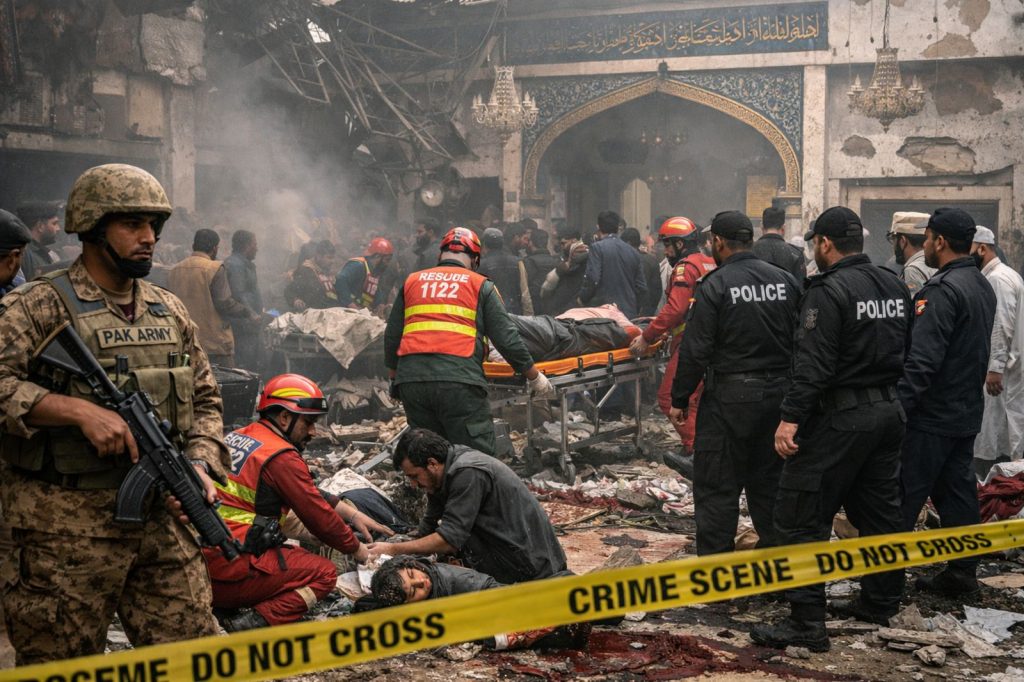
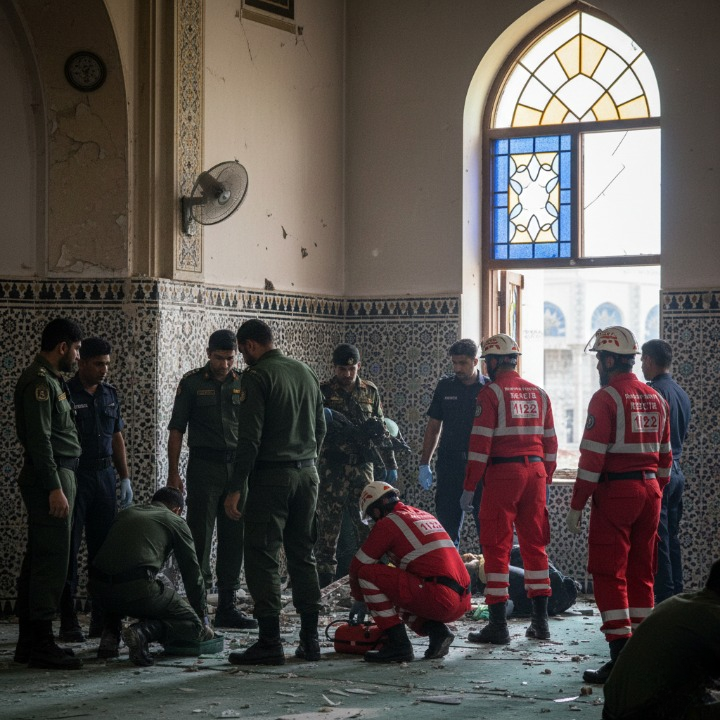
Alongside sports diplomacy, Pakistan has faced grave security challenges. A deadly suicide attack at a mosque in Islamabad last week shocked citizens and officials alike. At least 31 people were killed and more than 160 injured when the explosion struck during prayers — one of the deadliest such incidents in the city in over a decade.
The attack drew international condemnation and drew attention to ongoing efforts by extremist groups to destabilize peace in the country’s capital. Major foreign world leaders, including Chinese President Xi Jinping, offered condolences and reaffirmed cooperation in counter-terrorism efforts.
Within Pakistan, the blast has sparked a renewed focus on internal security policies, community resilience, and unity among diverse religious and ethnic groups.
3:- Sports Beyond Cricket: Shifts in PSL and Domestic Football:
While cricket continues to dominate headlines, Pakistan’s sports landscape is evolving:
In a major domestic development, the Multan Sultans PSL franchise was sold to new owners for a record $8.8 million and relocated to Rawalpindi.
This move reflects the increasing commercial growth of franchise sports in Pakistan, as investors capitalize on the popularity of cricket and the expanding entertainment market.
Meanwhile, football in Pakistan is making a comeback through the 2026 National Football Challenge Cup, which began in early February in Karachi and features 12 departmental teams competing for supremacy.
This resurgence of football underscores how interest in multiple sports is growing across urban centers, especially among youth players and supporters.
4:- Cultural Revival: Basant Festival Returns After Two Decades:
Long-cherished cultural traditions are also finding space in contemporary Pakistan.
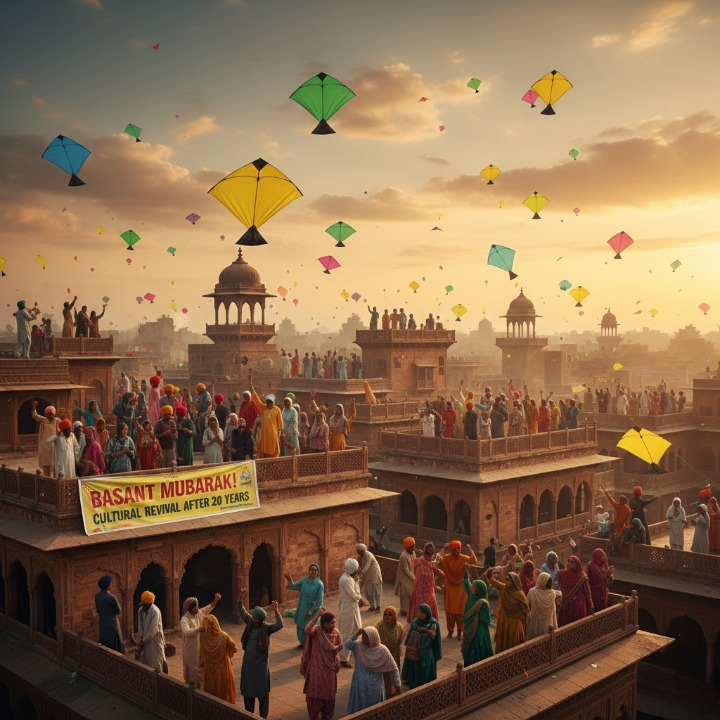
After nearly 19 years of being banned due to safety concerns, the Basant kite-flying festival has been legally revived — first in Lahore with monitored and regulated celebrations this February.
Basant has a deep emotional resonance for many Pakistanis, tying together heritage, creativity, and community pride. While traditional kite flying was once controversial because of dangerous kite strings and accidents, this year’s revival introduced safety measures such as rooftop nets and restricted kite sizes.
Punjab’s leadership praised the festival’s return as a symbol of cultural identity and responsible celebration in modern Pakistan.
5:- Tech & Digital Sovereignty: Pakistan’s AI Ambitions:
In technology and innovation, Pakistan is positioning itself for a future-oriented digital transformation.
The country is advancing a project aimed at achieving AI sovereignty by reducing reliance on Western cloud infrastructure. This initiative includes a partnership with blockchain-based tech networks to build local digital infrastructure and secure data systems that support home-grown digital services and startups.
Such moves toward digital autonomy and AI development are seen as strategic for economic growth, cybersecurity, and national development — especially for empowering Pakistan’s young tech ecosystem.
6:- What All This Means for Pakistan:
Taken together, these developments paint the picture of a nation in dynamic evolution — balancing identity, sport, security, and innovation on both the domestic and global stages.
Here’s what stands out:
- Cricket U-Turn shows Pakistan’s willingness to engage with the world through diplomacy and sport, even under pressure.
- Security incidents highlight ongoing challenges but also a national resolve to counter violent extremism.
- Cultural festivals like Basant reflect a society reconnecting with heritage in a safe, modern context.
- Tech initiatives suggest Pakistan’s future focus on innovation, sovereignty, and economic opportunity.
7:- Final Thoughts:
Pakistan in February 2026 is not defined by a single headline. Instead, it is defined by interconnected stories of resilience and reinvention — from thrilling cricket dramas and entrepreneurial progress to cherished cultural revivals and ongoing societal challenges.
For readers and followers of global affairs, Pakistan remains a country whose developments are not only newsworthy but deeply influential across regions, cultures, and industries.