
Introduction
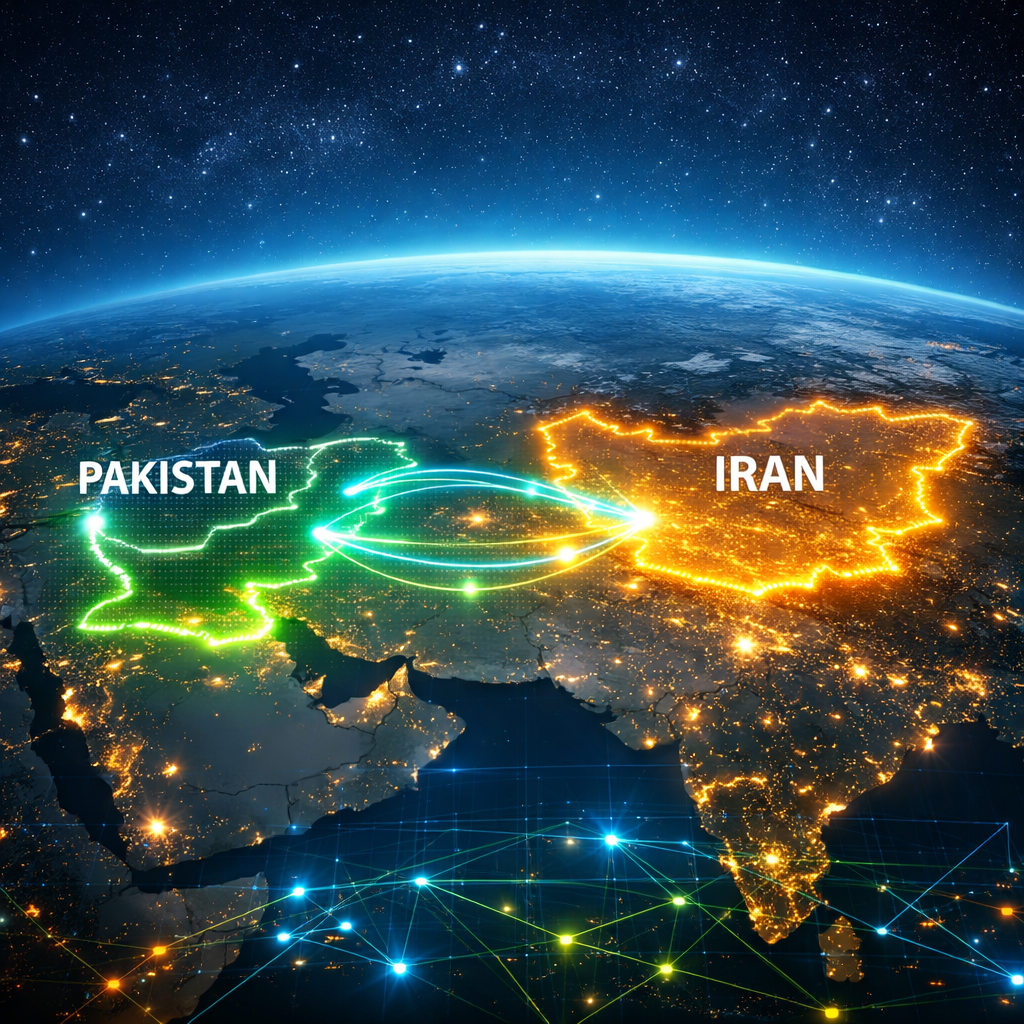
Pakistan and Iran share a unique relationship built on history, geography, religion, and mutual interests. Both countries are neighbors, connected by a long border and centuries of cultural ties. In recent years, their cooperation has grown stronger, touching areas like politics, trade, security, and diplomacy. In this article, we’ll explore how Iran has supported Pakistan, what both nations are doing together, and why this partnership matters for the region.

1:- Historical Background:
Pakistan and Iran became neighbors in 1947, and their relationship has had ups and downs over the decades. Both countries are part of the Islamic world and have often supported each other in various regional matters. Shared culture and religion also help maintain mutual understanding between the peoples of both nations.
Today, this relationship is seen as one of stability and cooperation, especially compared to many other regional ties that face tensions.

2:- Diplomatic Support and Political Cooperation:
In recent years, Pak-Iran relations have reached one of the most constructive phases in decades. Iran’s Ambassador to Pakistan highlighted the deep-rooted historical ties and the importance of cooperation on regional and international issues. He noted that both countries share common views on matters such as terrorism, peace, and regional stability.
Pakistan has also publicly appreciated Iran’s principled positions on key global issues, and Iranian leaders have welcomed stronger ties with Pakistan. These diplomatic commitments demonstrate a willingness on both sides to work together on long–term regional challenges.

3:- Economic Cooperation: Trade and Connectivity:
Trade is one of the most important areas where Pakistan and Iran are trying to strengthen ties.
- The two countries have set a goal to increase bilateral trade to USD 10 billion, up from roughly USD 3 billion.
- They have signed memorandums of understanding (MoUs) to promote cooperation in multiple sectors like agriculture, infrastructure, and services.
- Iranian officials have expressed interest in importing key Pakistani products such as rice, meat, and agricultural goods, which would boost export earnings for Pakistan.
Meanwhile, trade and connectivity plans also focus on improving transport links, border facilities, and ease of business for companies on both sides. Improved economic cooperation not only benefits governments, but also helps business communities and ordinary citizens by creating jobs and opportunities.

4:- Security and Border Cooperation:
The Pakistan-Iran border spans hundreds of kilometers, and both countries deal with complex security challenges, including cross-border insurgent activity and smuggling.
Iran and Pakistan have engaged in joint discussions on security cooperation, emphasizing the need to combat terrorism and enhance border management.
These meetings often involve senior military or security officials from both sides, demonstrating that both countries take regional peace seriously. Improved border cooperation not only strengthens security but also builds trust and mutual support.

5:-Shared Views on Regional Issues:
One important aspect of Pakistan-Iran relations is their shared stance on regional conflicts and geopolitical issues. For instance:
- Pakistan has reaffirmed its diplomatic backing for Iran, especially when international tensions rise.
- Both countries emphasize the importance of peaceful diplomacy, negotiation, and resolving conflicts without violence.
This reflects a broad understanding that regional stability benefits all neighboring states. Cooperation between Islamabad and Tehran on global issues also helps reduce misunderstandings and build stronger alliances across Asia and the Middle East.
6:- People-to-People and Cultural Links:
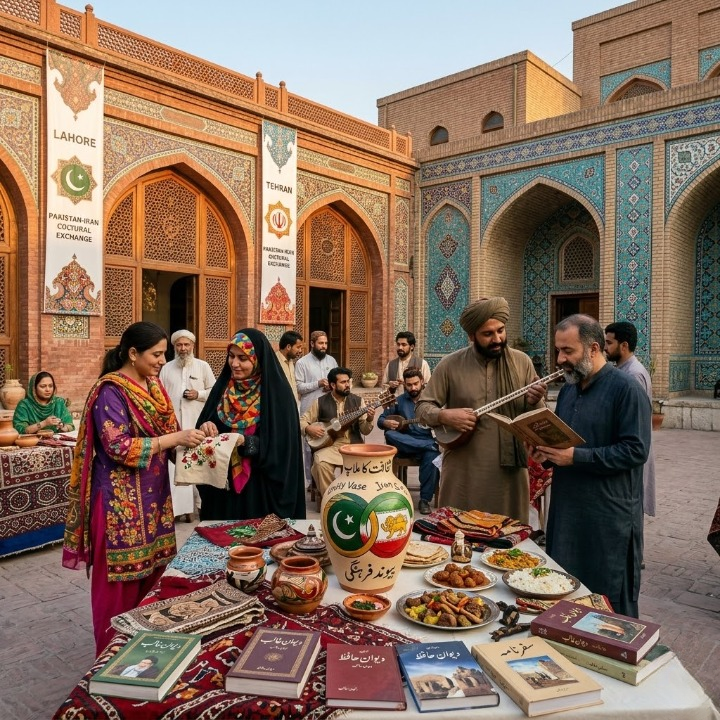
Beyond politics and economics, Pakistan and Iran share cultural, religious, and historical connections that strengthen the bond between their people.
- Shared language influences, especially in poetry and literature, bring people together.
- Common religious events and pilgrimages create social and cultural bridges.
In recent years, discussions on youth exchanges, education cooperation, and cultural programs have also gained attention. Leaders from both countries have encouraged more academic and medical collaboration so that young people can build friendships and professional links.
7:-Challenges and Future Opportunities:
Of course, no relationship is without challenges. Border security and economic barriers still require careful management. Yet, both countries have shown commitment to working through these challenges.
Future opportunities include:
- Expanded trade beyond existing goals.
- Shared energy projects, including possible gas pipelines or energy exchange.
- Regional peace initiatives, especially in South Asia and the Middle East.
- Continued diplomatic coordination in global forums.
Such steps could create long–lasting benefits for both nations and the people they represent.
Conclusion
Pakistan and Iran have a long history of cooperation, built on geography, culture, and shared interests. In recent years, this relationship has become stronger and more constructive, with advancements in diplomatic support, economic cooperation, security collaboration, and regional alignment.
From plans to increase trade to diplomatic backing in international affairs, both countries are actively supporting each other for mutual growth and stability. If these efforts continue, the future of Pakistan-Iran relations looks promising — not just for the two nations, but for peace and development across the wider region.
Pakistantrust.pk Opinion.
In my view, the relationship between Pakistan and Iran is extremely important for regional peace and economic stability. Both nations share history, culture, and strategic interests, which naturally bring them closer. Iran’s diplomatic support and growing trade cooperation with Pakistan show that both countries understand the value of unity in challenging times. However, continued dialogue, trust-building, and practical economic steps are necessary to strengthen this partnership further. If both governments remain committed to cooperation instead of confrontation, Pakistan and Iran can build a strong, stable alliance that benefits not only their people but the entire region.